






Mizu 水 — Water.
Flow without force.
Water has no fixed form, yet it always has direction. It moves without force and reaches depth through patience. That’s life at Mizu — not a promise, but a practice.
Mizu isn’t built around outcomes. It’s built around practice — the kind that happens through the body, breath, repetition, and quiet presence. Not to become something new, but to shed what’s no longer needed. Growth here isn’t addition. It’s release: from pace, expectation, constant input, and unnecessary form.
Like water, Mizu doesn’t impose a way to be. There’s no hierarchy, no right rhythm to follow, no pressure to do more. The space exists so you can let go of what tightens you and return to what feels essential. Everything else — the architecture, the flow of the villas, the way days unfold — follows from this single intention.
Location
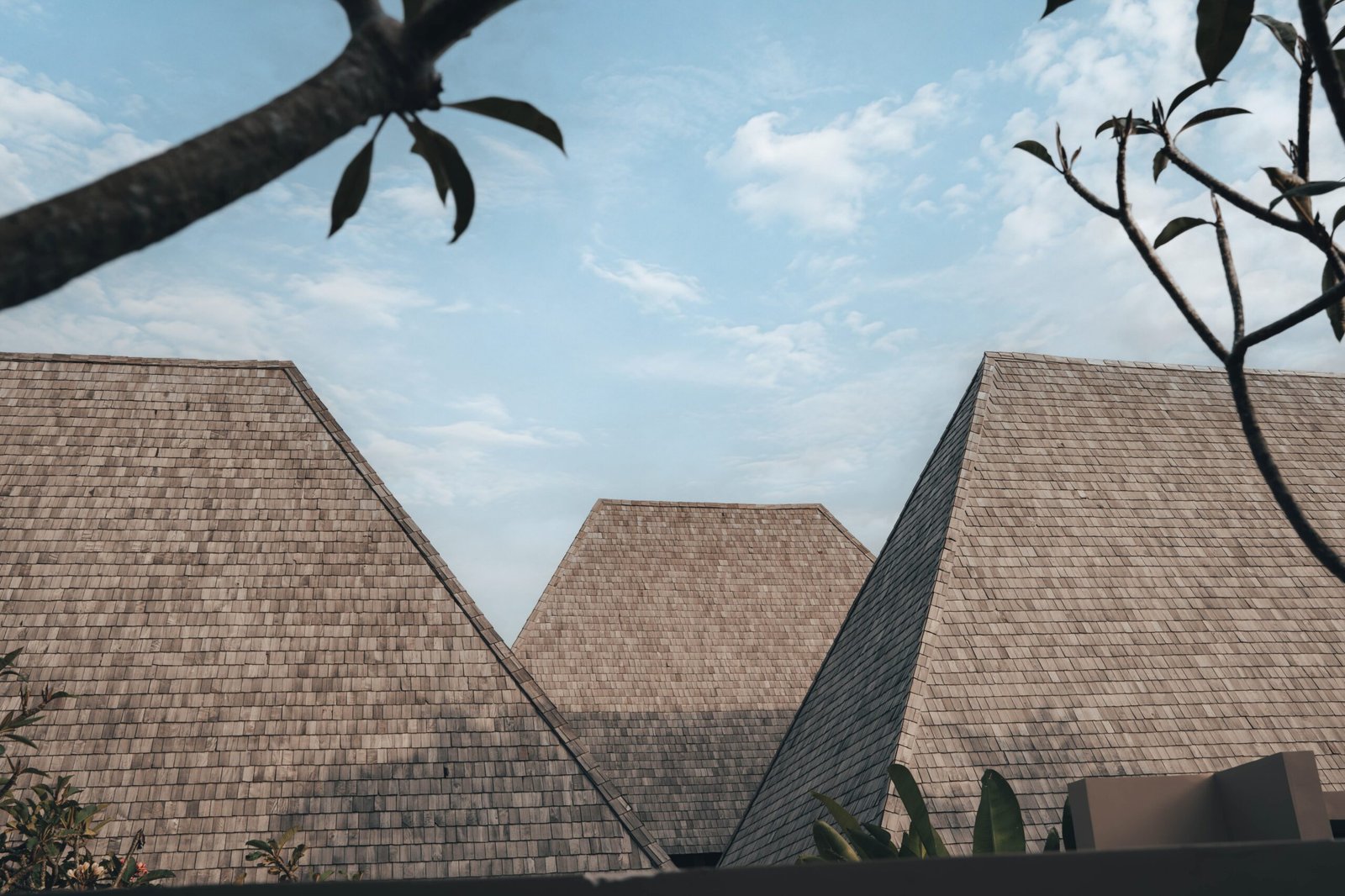
Mizu is placed deliberately, a few minutes from Nyang Nyang Beach, where the coastline remains open and sunsets come without crowds or noise. The location doesn’t compete for attention or pull you outward. It holds space. Distance here isn’t separation — it’s protection: from excess, from interruption, from constant input. The environment supports the same principle the villas are built on — fewer demands, fewer directions, more room to move at your own pace.
Architecture
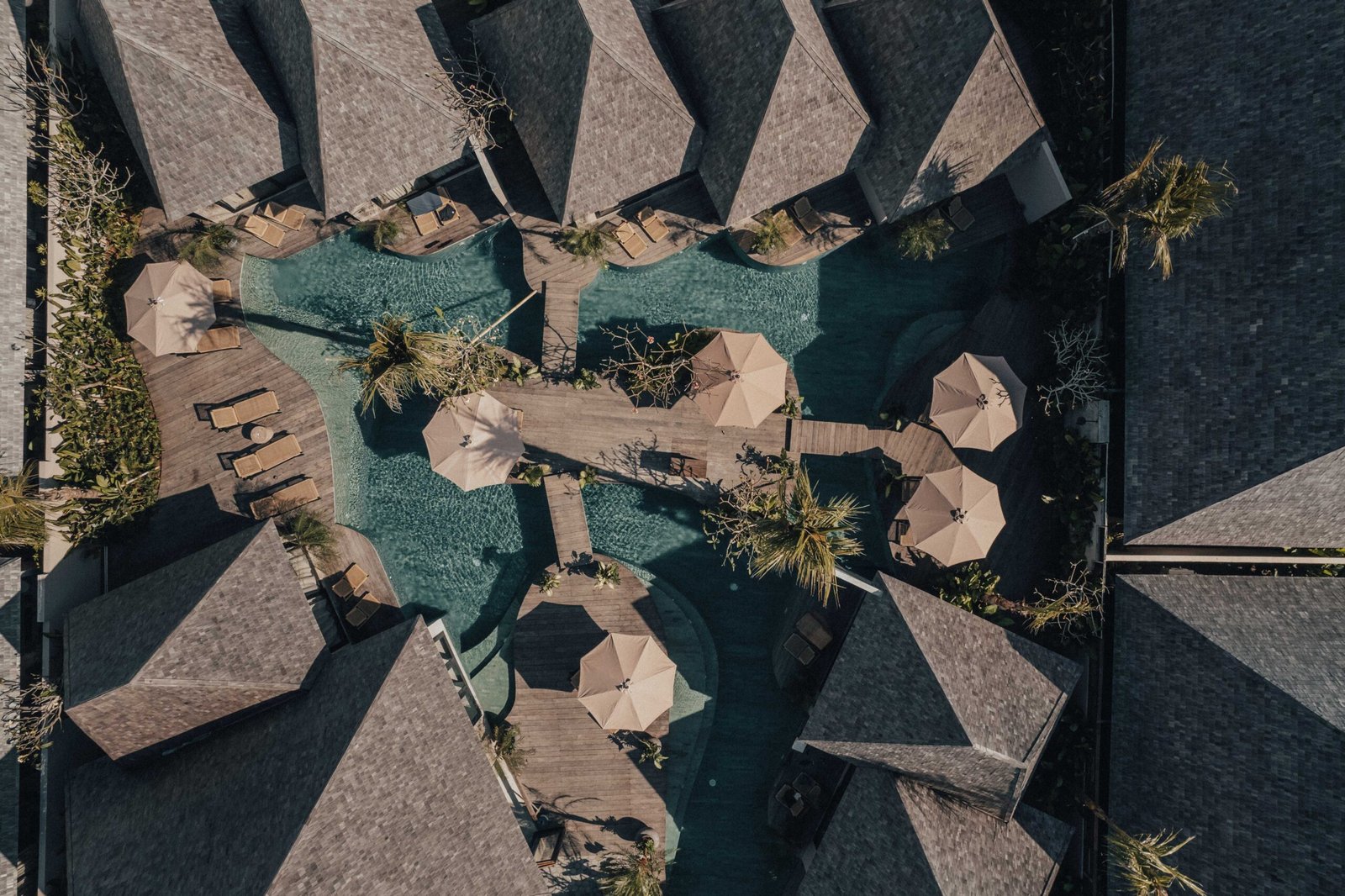
Mizu came into being in 2026, held by the same principles it now offers. Before anything took form, the land was cleansed and blessed through a ritual led by the local Balinese community — a quiet beginning rooted in respect. What followed was not an act of making, but of allowing. A space shaped to stay open, to remain receptive, and to hold nothing more than what is needed.
Today, Mizu stands as it was intended — not to guide you, not to change you, but to be entered. To meet you where you are, and give you room to move without force.
